
A logo is more than just a symbol, it’s the visual expression of identity, purpose, and pride. Whether it’s a global company or a local footy club, the right logo helps people recognise who you are and what you stand for.
Understanding the different types of logo is essential when designing one that fits your personality and goals. From elegant wordmarks to bold mascots, every style tells a different story, and some work better than others when printed or embroidered onto custom uniforms.
In this guide, we’ll explore 10 popular types of logos, how each one works in design, and which are best suited for teamwear and workwear.
Key Takeaways
- There are 10 main types of logos, each with a unique look and purpose.
- Wordmarks, lettermarks, emblems, and combination marks perform best on apparel.
- Keep your design simple and adaptable for both print and embroidery.
- Placement and care affect how your logo looks and lasts.
- Use Team Spirit Sports’ 3D Design tool to preview your design before production.
1. Wordmark Logo (Logotype)
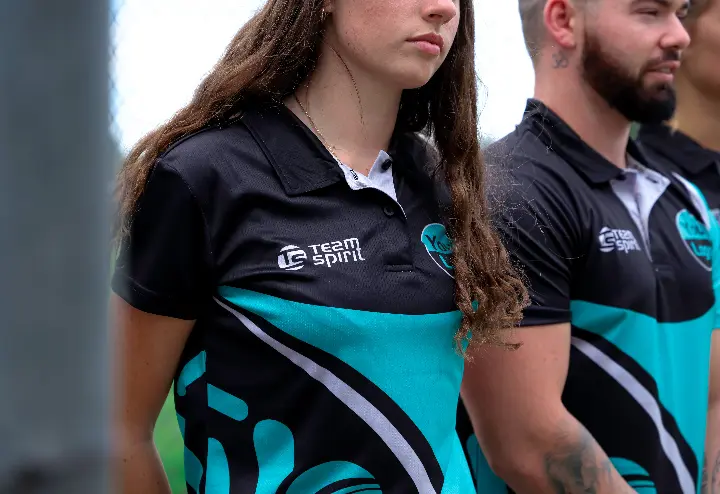
A wordmark logo focuses entirely on the brand name written in a unique font. Think of Coca-Cola, Google, or Visa, the typography does all the talking.
Best for:
- Brands that want to highlight their name clearly.
- Companies or teams with short, memorable names.
On Uniforms:
Wordmarks print beautifully on uniforms, especially with screen printing or heat transfer. They’re clean, scalable, and remain readable even from a distance, ideal for names printed across the chest or sleeve.
2. Lettermark Logo (Monogram)
A lettermark logo uses initials or abbreviations to represent a brand, such as IBM, NASA, or H&M.
Best for:
- Organisations with long names that want a clean, simple identity.
- Professional or corporate teams.
On Uniforms:
Lettermarks are compact and versatile, making them great for embroidered patches or polo shirts. They convey sophistication and minimalism, perfect for both teamwear and custom workwear.
3. Symbol or Icon Logo
Symbol logos use a graphic or icon to represent a brand, like the Nike swoosh or the Apple symbol.
Best for:
- Established brands with strong recognition.
- Teams that want a visual mark rather than text.
On Uniforms:
Simple shapes like swooshes, shields, or stylised animals look fantastic on jerseys and caps. Because they’re easily scalable, they reproduce well across various fabrics and printing methods.
4. Abstract Logo
An abstract logo uses geometric forms or unique shapes to create a distinct identity. Examples include the Adidas three stripes or Pepsi’s globe.
Best for:
- Modern, forward-thinking brands.
- Teams or clubs wanting a sleek, innovative appearance.
On Uniforms:
Abstract designs work brilliantly with sublimation printing or vinyl transfers. They’re memorable, lightweight, and adaptable across different apparel types.
5. Mascot Logo
A mascot logo features a character, real or imaginary, that personifies the brand. It’s popular in sports, where a mascot adds energy, fun, and personality.
Best for:
- Sports clubs, schools, or youth organisations.
- Teams that want to connect emotionally with their supporters.
On Uniforms:
Mascot logos look outstanding on team jerseys and hoodies. They bring vibrancy and spirit, but it’s best to simplify details for embroidery or small prints.
6. Emblem Logo
An emblem logo combines text and imagery within a shape, usually a crest, shield, or badge. It’s one of the most traditional logo styles and a favourite among sports teams and institutions.
Best for:
- Clubs, associations, and schools that value heritage.
- Businesses or teams wanting a premium, professional image.
On Uniforms:
Emblems are ideal for embroidered logos on polos, jackets, and caps. They have a timeless quality and hold up well through frequent wear and washing.
7. Combination Mark
A combination mark merges text and an image (symbol, icon, or mascot) into one flexible design. Examples include Lacoste, Burger King, and Puma.
Best for:
- Brands seeking both recognition and clarity.
- Teams that want a logo adaptable for different applications.
On Uniforms:
Combination marks offer versatility, you can use the icon on its own for smaller placements (like sleeves) or the full logo for front-of-shirt designs.
8. Dynamic Logo
A dynamic logo changes its appearance depending on where it’s used. The core design remains consistent, but elements like colour, pattern, or shape adapt to fit the context.
Best for:
- Brands or organisations with multiple divisions or teams.
- Events or leagues that want a unified but flexible identity.
On Uniforms:
Dynamic logos can include variations for home and away kits or event-specific uniforms. To ensure brand consistency, always maintain a base shape or icon that ties everything together.
9. 3D or Gradient Logo
A 3D or gradient logo uses depth, shading, and colour transitions to create a modern, digital look.
Best for:
- Digital-first brands or companies that emphasise innovation.
- Businesses in creative or tech-driven industries.
On Uniforms:
While 3D effects look great online, they may not reproduce perfectly on fabric. Simplified, flat versions are often used for printing and embroidery, ensuring clarity and durability.
10. Negative Space / Minimalist Logo
A negative space logo cleverly uses blank space within a design to form hidden imagery, like the arrow in FedEx or the bear in Toblerone.
Best for:
- Brands that value creativity and subtlety.
- Premium or minimalist teams and businesses.
On Uniforms:
Minimalist logos translate very well on uniforms. They remain crisp at any size and pair beautifully with monochrome designs, especially on professional workwear.
Which Logo Types Work Best for Sportswear and Uniforms
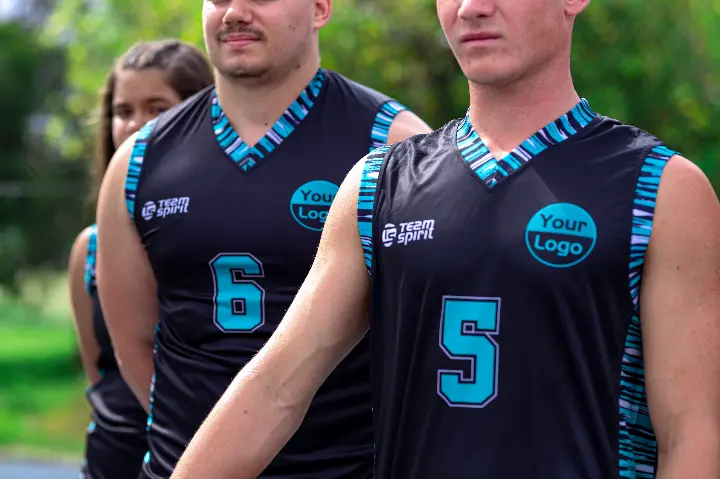
Not all logos perform equally well on fabric. Some designs print smoothly, while others require adjustments to preserve detail.
Read more: What Is the Best Fabric for Sportswear? Top Choices for Comfort and Performance
Here’s a quick guide to what works best for apparel:
Logo Type | Printing Suitability | Embroidery Suitability | Best For |
Wordmark | Excellent | Excellent | Team and company names |
Lettermark | Excellent | Excellent | Monogram-style logos |
Symbol/Icon | Excellent | Moderate | Modern sports branding |
Abstract | Excellent | Moderate | Contemporary teamwear |
Mascot | Good | Excellent | Youth clubs, fun teams |
Emblem | Moderate | Excellent | Crests and patches |
Combination Mark | Excellent | Excellent | Flexible design use |
Dynamic | Depends | Depends | Multi-team setups |
3D/Gradient | Simplified version only | Limited | Digital-first designs |
Negative Space | Digital-first designs | Excellent | Minimalist workwear |
When in doubt, choose a simple, bold logo with clear lines. It’ll reproduce better across screen printing, sublimation, and embroidery, and still look sharp on social media or digital platforms.
How to Choose the Right Logo for Your Custom Apparel
Here are a few points to consider before finalising your logo type:
- Readability: Your logo should remain clear from a distance.
- Contrast: Choose colours that stand out against your uniform fabric.
- Printing method: Some techniques work better with certain designs.
- Durability: Embroidered emblems and patches last longer.
- Fabric type: Smooth materials like polyester print more evenly.
Tip: Always request a digital mock-up before production. At Team Spirit Sports, you can use our 3D Design page to visualise how your logo will appear on various garments.
Logo Placement Ideas for Custom Uniforms
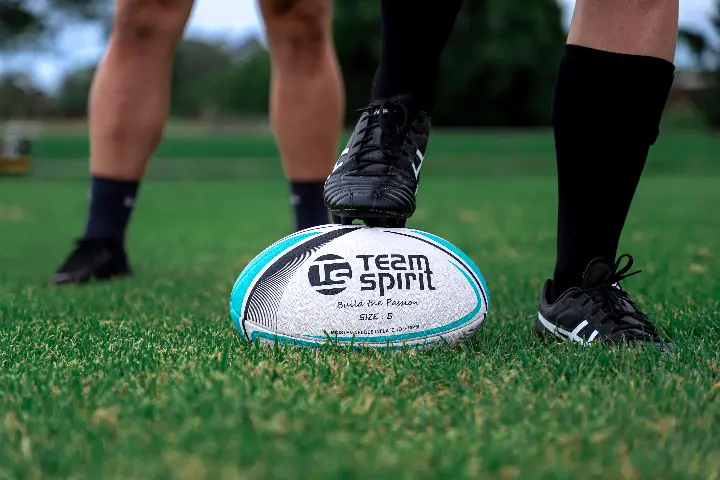
Where you place your logo can make a big difference to its impact. Here are the most common (and effective) positions:
- Left chest: Traditional and professional.
- Centre front: Bold and attention-grabbing.
- Sleeve or shoulder: Great for secondary logos or sponsors.
- Back under number: Common in team sports.
- Caps, jackets, and bags: Extend branding beyond uniforms.
Use consistent placement across your apparel to maintain a polished, cohesive look.
Want more inspiration? Explore our blog on logo placement ideas for custom uniforms to see how different positions can enhance your team’s identity.
Tips for Maintaining Logo Quality on Apparel
Once your uniforms are ready, a little care goes a long way in keeping them looking sharp:
- Wash in cold or warm water to prevent print fading.
- Turn garments inside out before washing.
- Avoid ironing directly on printed areas.
- Store folded or hanging to avoid cracks or creases.
Proper care helps your logos, and your team identity, last longer through every season.
Final Thoughts: Making Your Logo Work On and Off the Field
Logos are more than decorative marks, they represent pride, unity, and belonging. By understanding the different types of logo, you can make confident choices that express who you are while ensuring your design looks professional across every medium, from business cards to custom uniforms.
At Team Spirit Sports, we help clubs, schools, and organisations bring their identity to life through high-quality teamwear and workwear.
Have a logo idea in mind? Get in touch with Team Spirit Sports, our team can help you turn your concept into custom-made sportswear or workwear you’ll be proud to wear.
FAQs About Types of Logos
1. What are the most popular types of logos today?
Wordmark, combination, and emblem logos remain the most popular due to their clarity and versatility across digital and physical media.
2. Which logo type is best for sports teams?
Emblem and mascot logos are the top choices for sports teams, offering strong identity and visibility on uniforms.
3. Can a 3D or gradient logo work on fabric?
Yes, but it’s best to simplify gradients into flat colour blocks for clean printing or embroidery.
4. What’s the difference between a symbol and an abstract logo?
A symbol represents a clear object or idea (like a swoosh or apple), while an abstract logo uses shapes to convey a concept without depicting a specific image.
5. How do I know which logo type suits my team?
Think about your identity, fun and energetic teams may prefer mascots, while professional or corporate teams often lean toward lettermarks or emblems.