
When it comes to training hard, the right fabric can make or break your performance. Whether you’re hitting the gym, running along the coast, or sweating it out on the field, your workout clothes should move with you, not against you. The fabric beneath your skin determines how well your gear handles sweat, breathability, and comfort.
In this article, we’ll break down the best materials for workout clothes, explain how each fabric performs, and help you choose the right one for your style of exercise and environment.
Key Takeaways
- The best materials for workout clothes combine breathability, stretch, and moisture-wicking ability.
- Polyester, nylon, and spandex blends are ideal for most high-sweat or dynamic workouts.
- Bamboo and cotton blends are great for lighter activities or those with sensitive skin.
- Choose fabrics that match your activity level and personal comfort.
- Team Spirit Sports uses premium materials to deliver custom activewear that performs as hard as you do.
What Makes a Great Workout Fabric?
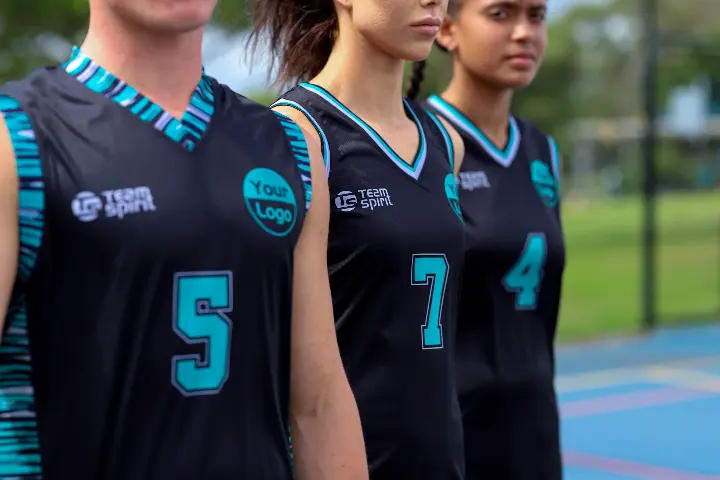
Workout clothes need to do more than just look good, they have to support your movement and manage heat and sweat efficiently. When choosing fabric, look for these key performance qualities:
- Moisture-wicking: Draws sweat away from your skin so you stay dry during intense sessions.
- Breathability: Allows airflow to keep your body temperature balanced.
- Flexibility: Provides stretch and recovery to move freely through every rep and stride.
- Durability: Withstands frequent washing, stretching, and wear.
- Odour resistance: Helps reduce lingering smells after workouts.
- Easy care: Dries quickly and resists shrinking or fading.
In Australia’s often warm and humid conditions, moisture management and ventilation become especially important, synthetic or blended fabrics generally outperform natural cotton in these climates.
Read more: What Is the Most Breathable Fabric? Top Materials for Staying Cool, Dry & Comfortable
Top Materials for Workout Clothes
1. Polyester
Polyester is one of the most common fabrics used in activewear and for good reason. It’s durable, lightweight, and excellent at wicking moisture away from the skin.
Pros:
- Quick-dry and sweat-resistant
- Retains shape even after repeated washes
- Resistant to shrinking and fading
Cons:
- Can trap odour if not treated
- Not as breathable as natural fabrics
Best for: High-intensity workouts, team training gear, and outdoor sports where durability matters.
2. Nylon
Known for its silky feel and strength, nylon provides a great balance of stretch and resilience. It’s also fast-drying and smooth against the skin.
Pros:
- Highly durable and abrasion-resistant
- Soft, smooth texture
- Excellent stretch and recovery
Cons:
- Slightly more expensive
- Can retain heat in very humid weather
Best for: Yoga, fitted activewear, and multi-sport training.
3. Spandex (Elastane or Lycra)
Spandex is what gives your leggings or compression tops that perfect stretch. While rarely used alone, it’s blended into other fabrics to add flexibility and shape retention.
Pros:
- Exceptional elasticity
- Enhances comfort and mobility
- Keeps garments fitting snugly
Cons:
- Not very breathable on its own
- Needs to be blended for comfort
Best for: Leggings, compression gear, and sportswear that requires freedom of movement.
4. Cotton and Cotton Blends
Cotton is soft, breathable, and comfortable, but it’s not ideal for heavy sweating. It absorbs moisture rather than wicking it away, making it better for light activities.
Pros:
- Natural and gentle on skin
- Breathable and soft
- Great for casual or light workouts
Cons:
- Absorbs sweat, stays wet longer
- Can lose shape over time
Best for: Stretching, low-intensity workouts, or cool-weather exercise.
5. Bamboo and Other Eco-Friendly Fabrics
Bamboo and sustainable fibres are becoming increasingly popular in workout wear. They’re naturally breathable and antibacterial, with a soft, smooth finish.
Pros:
- Excellent moisture absorption
- Naturally odour-resistant
- Environmentally friendly
Cons:
- Often blended to improve performance
- Slightly higher cost
Best for: Low-sweat workouts, yoga, or eco-conscious fitness enthusiasts.
6. Technical Blends and Mesh Fabrics
Many modern sportswear brands use advanced fabric blends designed to perform in specific conditions. Mesh panels and microfibres enhance ventilation where it’s needed most.
Pros:
- Optimised for targeted performance
- Superior breathability and cooling
- Great balance of comfort and durability
Cons:
- Costlier than standard materials
- May need specific care instructions
Best for: High-performance team uniforms, outdoor training, or hot-weather sports.
How to Choose the Right Fabric for Your Workout
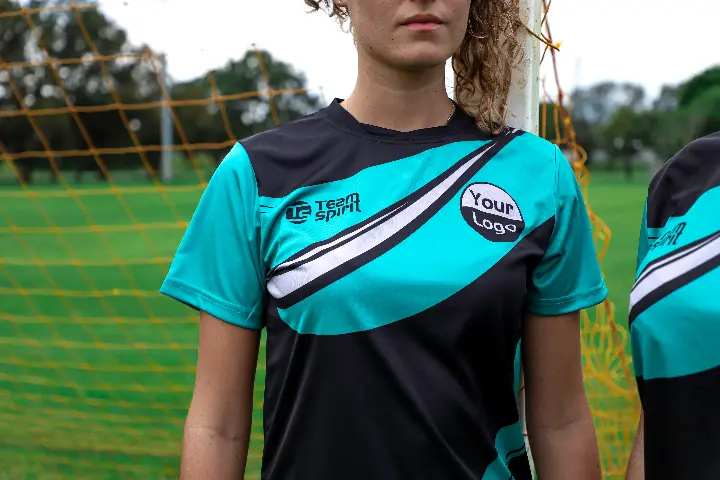
Before buying your next set of gym clothes, take a moment to think about how and where you train. The best material for workout clothes depends on your body, environment, and exercise style. Here’s a quick guide to help you choose what’s right for you:
1. How much do you sweat?
If you tend to sweat a lot during your workouts, look for synthetic fabrics like polyester or nylon blends. These materials are engineered to wick moisture away from your skin, keeping you dry and comfortable even during high-intensity sessions. Avoid pure cotton, it absorbs sweat and can feel heavy after a few sets.
2. Where do you train?
Your training environment makes a big difference.
- Outdoor workouts or humid conditions: Choose lightweight, breathable, and quick-drying fabrics that allow air to circulate, polyester or bamboo are top picks.
- Indoor or cooler environments: Slightly thicker blends with spandex or cotton can keep you warm without overheating.
3. Do you need flexibility?
For workouts that involve stretching, bending, or a wide range of motion, like yoga, pilates, or dance, opt for fabrics that include spandex (elastane or Lycra). A small percentage of this material gives your gear excellent stretch and recovery, so it moves with your body without losing its shape.
4. Do you value sustainability?
If you care about making an eco-friendly choice, go for recycled polyester, organic cotton, or bamboo-based fabrics. These materials offer the same comfort and performance as traditional synthetics but with a smaller environmental footprint.
5. Are you after durability?
For teamwear or training uniforms that face heavy use and frequent washing, you’ll want tough, abrasion-resistant fabrics such as high-grade polyester or nylon. These materials are built to last, keeping their shape and colour even through intense workouts and long seasons.
From Fabric to Function: How Team Spirit Sports Uses Premium Materials
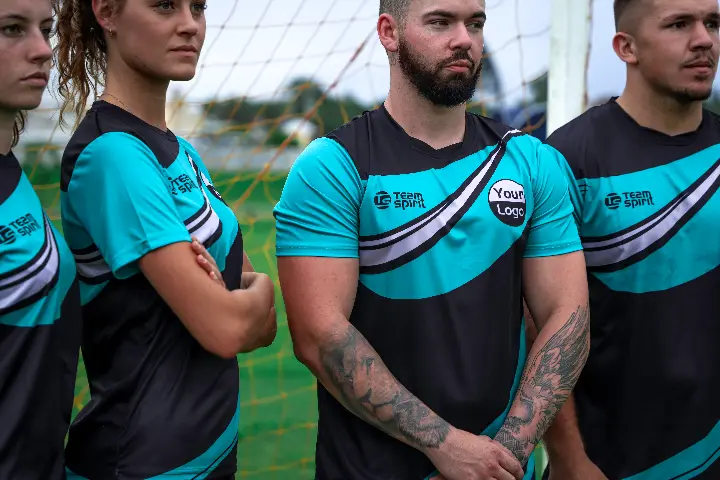
At Team Spirit Sports, we believe that great performance starts with great fabric. Our custom teamwear is crafted using the same high-performance materials trusted by athletes around the world.
Whether it’s moisture-wicking polyester for fast-paced sports or stretchy nylon-spandex blends for freedom of movement, every piece is designed to help you perform your best.
You can even customise your team gear, from jerseys and shorts to training singlets and hoodies—with your own colours, designs, and logos. Each garment is made to order, ensuring a perfect fit and a professional look that lasts season after season.
Design your own gear today or contact us to bring your team’s identity to life.
FAQs
1. What fabric is best for sweaty workouts
Polyester and technical blends perform best, they’re moisture-wicking and quick-drying.
2. Is cotton bad for gym wear?
Not bad, but not ideal for high-sweat activities as it retains moisture.
3. What’s the best material for outdoor workouts?
Lightweight polyester or nylon blends with UV protection.
4. Are eco-friendly fabrics durable enough for workouts?
Yes, bamboo and recycled polyester blends combine comfort and resilience.
5. How can I make workout clothes last longer?
Wash in cold water, skip softeners, and air-dry to protect elasticity and performance.