
Polyester fabric has become the backbone of modern activewear and workwear, from sports jerseys to durable uniforms on job sites. Its popularity isn’t accidental; polyester offers a combination of comfort, strength, and easy care that few materials can match.
In this article, we’ll explore what polyester fabric really is, how it’s made, why it performs so well for both sportswear and workwear, and what you should know before choosing it for your next custom apparel order.
Key Takeaways
- Polyester is a strong, moisture-wicking, and quick-dry fabric perfect for sportswear and workwear.
- It’s cost-effective, low-maintenance, and colourfast, ideal for custom apparel.
- Recycled polyester offers a sustainable option without sacrificing performance.
- With the right blend and finish, polyester can suit almost any environment or activity.
- Team Spirit Sports provides high-quality custom polyester garments made for Australian teams and industries.
What Is Polyester Fabric?
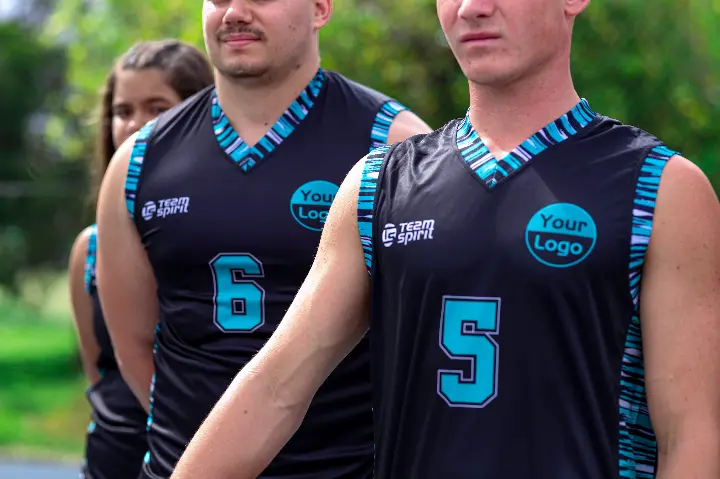
Polyester is a synthetic fabric made from long chains of polymer compounds, primarily derived from petroleum. The most common type is polyethylene terephthalate (PET), the same material used in plastic bottles.
These polymers are melted down and spun into fibres that can be woven or knitted into fabric. The result is a material that’s strong, wrinkle-resistant, and quick-drying, making it ideal for active environments.
Originally introduced in the 1940s, polyester quickly became one of the world’s most widely used textiles due to its affordability and versatility. Today, it’s found in everything from T-shirts and jackets to industrial uniforms and outdoor gear.
How Polyester Is Manufactured
Understanding the production process helps explain why polyester performs the way it does.
- Polymerisation: Ethylene glycol and terephthalic acid are combined to create long molecular chains, the foundation of polyester.
- Spinning: The polymer is melted and extruded through spinnerets to form continuous filaments.
- Drawing: The fibres are stretched to increase their strength and elasticity.
- Texturising: The fibres are crimped, twisted, or woven to achieve different looks and feels.
- Finishing: Finally, the fabric is dyed, treated for moisture management or UV protection, and made ready for garment production.
This controlled manufacturing process allows for a wide range of performance finishes, something that natural fibres can’t always deliver.
Key Properties and Benefits for Teamwear and Workwear
Polyester’s popularity in the apparel world isn’t just due to cost. Its technical performance and long-lasting quality make it particularly well-suited for high-demand environments like sports and industry.
1. Moisture-Wicking and Quick-Dry
Polyester fibres don’t absorb moisture like cotton does. Instead, they draw sweat away from the skin and let it evaporate quickly. This moisture-management ability keeps athletes cool and dry even during intense activity.
For workers, this means comfort in humid or outdoor conditions, no heavy, damp uniforms after a long shift.
2. Durability and Strength
Polyester fabric is highly resistant to abrasion, stretching, and shrinking. Team uniforms and workwear made from polyester maintain their shape and integrity even after repeated washing or rough use.
This toughness also means fewer replacements, saving clubs and companies money in the long term.
3. Colour Retention and Print Quality
Polyester holds colour exceptionally well. Its fibres are less porous than natural ones, meaning dyes and prints stay vibrant wash after wash. This makes polyester perfect for sublimation printing, a popular choice for custom teamwear designs, logos, and full-colour graphics.
4. Lightweight and Comfortable
Despite its strength, polyester is lightweight and flexible. Performance fabrics like polyester mesh or microfibre blends allow for excellent breathability and freedom of movement, which is critical for both athletes and tradespeople.
5. Easy Care and Low Maintenance
Polyester resists wrinkles, dries quickly, and rarely needs ironing. For teams or workers who use uniforms daily, that convenience can’t be overstated. Simply wash, dry, and wear again, perfect for busy schedules.
6. Cost-Effectiveness
Compared with high-end natural fibres, polyester delivers great value. It’s less expensive to produce and has a long lifespan, making it a practical choice for bulk team orders or outfitting entire crews.
Things to Know Before Choosing Polyester Fabric
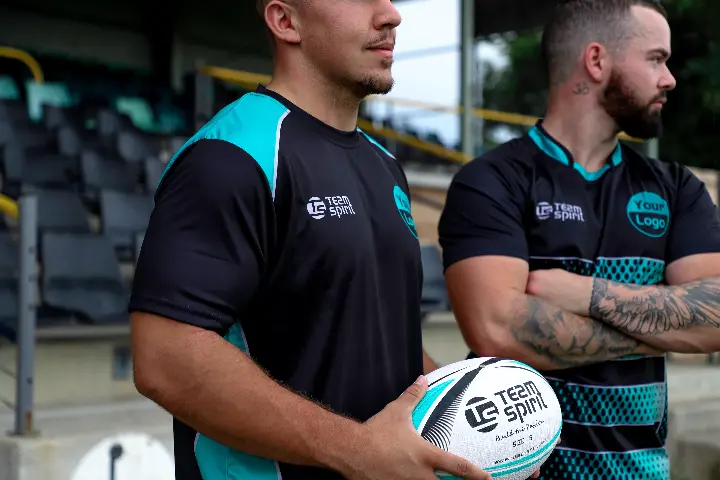
No fabric is perfect. Polyester’s advantages come with a few points to consider:
- Breathability: While advanced weaves improve ventilation, polyester isn’t as naturally breathable as cotton.
- Environmental Impact: Traditional polyester is petroleum-based and not biodegradable. However, recycled polyester (rPET) made from plastic bottles offers a more sustainable option.
- Heat Sensitivity: Polyester can melt or deform at very high temperatures, so it’s best washed and ironed with care.
- Static and Odour Retention: Some blends can hold static electricity or odours, though modern treatments and fabric technologies reduce this problem.
By understanding these factors, you can make smarter choices about which polyester type or blend fits your purpose.
Polyester vs Other Fabrics: Which One’s Right for You?
Let’s compare polyester with other popular materials used in sportswear and workwear.
Feature | Polyester | Cotton | Nylon | Spandex Blends |
Durability | Excellent | Moderate | Excellent | Good |
Moisture Management | Excellent | Poor | Good | Excellent |
Breathability | Moderate | High | Moderate | High |
Comfort | Lightweight | Soft | Lightweight | Stretchy |
Cost | Affordable | Moderate | Higher | Moderate |
Printability | Excellent (esp. sublimation) | Good | Moderate | Variable |
- For sportswear: Polyester and spandex blends dominate because they balance flexibility, moisture-control, and print quality.
- For workwear: Polyester or poly-cotton blends deliver the right mix of strength, shape retention, and professional appearance.
How to Choose the Right Polyester Fabric
Choosing the right polyester fabric depends on your specific needs, whether you’re ordering custom jerseys, hoodies, or safety shirts.
1. Fabric Weight and Structure
- Lightweight polyester (100–140 gsm): Ideal for activewear, jerseys, and training tops.
- Midweight polyester (150–200 gsm): Suitable for polos, uniforms, and casual workwear.
- Heavy polyester (200 gsm+): Perfect for hoodies, jackets, or outerwear.
2. Weave or Knit Type
- Mesh polyester: Maximum breathability for team sports.
- Interlock polyester: Smooth finish, great for polos or active tops.
- Woven polyester: Durable, structured feel for work shirts or trousers.
3. Blends
- Poly-cotton: Combines softness of cotton with durability of polyester.
- Poly-spandex: Adds stretch for comfort in dynamic environments.
4. Performance Finishes
Modern polyester fabrics can be enhanced with:
- Moisture-wicking finishes
- UV protection
- Anti-bacterial treatments
- Anti-pill coatings
These finishes make your garments even more practical for Australia’s active lifestyle and harsh outdoor conditions.
How to Care for Polyester Fabric (Washing & Maintenance Tips)
To get the most out of your polyester garments, follow these care steps:
- Wash in cool or warm water: hot water can damage the fibres.
- Avoid bleach or fabric softeners: they can break down the wicking finish.
- Use mild detergent designed for synthetics.
- Air-dry whenever possible; if using a dryer, use a low-heat setting.
- Iron at low temperature or use a steamer if needed.
- Turn garments inside out before washing to preserve prints and embroidery.
These small habits help polyester retain its performance features and bright colours for years.
Why Choose Team Spirit Sports for Polyester Custom Apparel

At Team Spirit Sports, we combine quality materials, modern production, and expert design to deliver apparel that performs.
Our custom teamwear and workwear solutions are crafted using premium polyester fabrics known for their durability, print precision, and comfort. From community clubs to corporate teams, we create garments that fit well, look great, and stand the test of time.
Polyester Fabric: Still the Go-To Choice for Activewear
Polyester fabric has earned its place as a cornerstone of modern performance apparel. It’s durable, lightweight, and versatile, offering everything teams and workplaces need from their clothing, style, comfort, and long-term value.
For anyone looking to outfit a team or crew, polyester delivers where it matters most.
Discover how Team Spirit Sports can help you design custom polyester uniforms that keep you performing at your best.
FAQs
1. What is the difference between 100% polyester and polyester blends?
100% polyester offers maximum strength and durability, while blends like poly-cotton or poly-spandex improve comfort, softness, or stretch.
2. Is polyester suitable for sports uniforms?
Yes. Its moisture-wicking and quick-drying abilities make it one of the best materials for athletic apparel.
3. Can polyester fabric be recycled?
Absolutely. Recycled polyester (rPET) is made from post-consumer plastics and helps reduce environmental impact.
4. How long does polyester teamwear last?
With proper care, polyester garments can last several years, often longer than natural fabrics under heavy use.
5. Does polyester shrink or fade?
Polyester resists both shrinkage and fading, maintaining its fit and colour over time.