
The debate between loose vs tight clothes has been a central focus for athletes and sports scientists for decades as they strive to optimize human performance. When you stand in front of your locker before a training session or a major final, the fit of your gear is the first tactical decision you make. Does a compression top help you recover faster, or does it restrict your range of motion? Will a loose-fitting jersey keep you cooler in the Australian heat, or will it create unnecessary drag? At Team Spirit Sports, we understand that the "spirit" of a team is best supported by apparel that functions as a second skin, or a protective shield, depending on the demands of your specific sport.
In this exhaustive 2026 guide, we will break down the complex relationship between loose vs tight clothes, examining the physics of aerodynamics, the biology of muscle recovery, and the psychological impact of what we wear. Whether you are an elite sprinter or a community netball player, understanding these nuances is key to reaching your peak potential.
The Physics of Performance: Aerodynamics in Loose vs Tight Clothes
In the world of high-speed sports, every millisecond counts. The physical interaction between your clothing and the surrounding air can be the difference between a gold medal and a fourth-place finish.
Understanding Drag Force and Surface Area
When comparing loose and tight clothes, we are essentially discussing fluid dynamics. As an athlete moves, they encounter air resistance, also known as "drag." The drag force Fd can be calculated using the following formula:
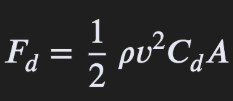
Where:
- Fd is the air density.
- v is the velocity of the athlete.
- Cd is the drag coefficient.
- A is the frontal area.
In the context of loose vs tight clothes, tight-fitting apparel significantly reduces both Cd and A. Loose clothing flaps in the wind, creating turbulent air pockets that increase drag. For sports like cycling, speed skating, and sprinting, tight gear is non-negotiable because it minimizes the energy required to overcome air resistance at high velocities.
Laminar Flow vs. Turbulent Flow
Tight clothing promotes "laminar flow," where air moves smoothly over the surface of the body. Conversely, the extra fabric in loose vs tight clothes comparisons often leads to "turbulent flow," which creates "vortex shedding" behind the athlete, literally pulling them backwards. This is why you will never see a world-class track athlete wearing a baggy t-shirt during a race.
The Science of Compression: Why "Tight" Isn't Just for Show
When discussing loose vs tight clothes, "tight" often refers to compression wear. This isn't just about showing off muscle definition; there are profound physiological benefits involved.
Enhanced Blood Circulation and Oxygen Delivery
Compression garments are designed to apply specific pressure to limb tissues. This pressure assists the "venous return", the process of blood flowing back to the heart. By compressing the veins, the velocity of blood flow increases, which in turn speeds up the delivery of oxygenated blood to the working muscles.
Reducing Muscle Oscillation
One of the most overlooked benefits in the loose vs tight clothes debate is the reduction of muscle oscillation. When your foot hits the ground during a run, a shockwave travels through your muscles, causing them to vibrate. This vibration causes micro-trauma and contributes to muscle fatigue. Tight compression gear "holds" the muscles in place, reducing this vibration and allowing the athlete to maintain their form for longer periods.
Lactic Acid Removal and Recovery
Post-exercise recovery is where tight clothing truly shines. By maintaining pressure on the muscles, compression gear helps flush out metabolic waste products like lactic acid. Athletes who wear tight recovery gear after a match often report lower levels of Delayed Onset Muscle Soreness (DOMS) compared to those wearing loose vs tight clothes of a non-compressive nature.
Breathability and Thermal Regulation: When "Loose" Takes the Lead
While tight clothes have clear mechanical advantages, loose vs tight clothes comparisons often favor the looser fit when it comes to comfort and heat management in specific environments.
The Chimney Effect and Airflow
In the scorching Australian summer, heat stroke is a genuine risk. Loose clothing facilitates what is known as the "chimney effect." As your body heats up, the air between your skin and the fabric also warms. In loose-fitting gear, this warm air can escape through the neck and arm openings, replaced by cooler ambient air. Tight clothing, by contrast, traps a thin layer of air against the skin, which can become saturated with sweat and heat if the fabric technology is not top-tier.
Moisture Wicking and Evaporative Cooling
The effectiveness of loose vs tight clothes in the heat depends heavily on moisture-wicking technology. Loose clothes allow for more "bellows action", where the movement of the body pumps air through the garment, aiding in the evaporation of sweat. Evaporative cooling is the body's primary method of losing heat:
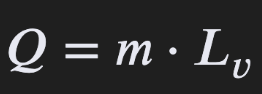
Where Q is the heat lost, m is the rate of evaporation, Lv is the latent heat of vaporization of water. For a social cricketer or a weekend hiker, the airflow provided by loose garments often outweighs the aerodynamic benefits of tight ones.
Sport-Specific Analysis: Choosing Your Fit Based on the Game
The "winner" in the loose vs tight clothes battle depends entirely on the movements required by your sport.
Rugby: Tight for Defense, Durable for Combat
In rugby, the shift has been overwhelmingly toward tight, "second-skin" jerseys. Why? Because loose fabric is a handle for your opponent. A tight jersey makes it significantly harder for a defender to get a grip on a player during a tackle. Furthermore, our custom rugby gear is designed with high-tensile fabrics that can withstand the pulling forces of a scrum while staying tight to the body.
Basketball: The Tradition of the Loose Fit
Basketball remains a bastion for loose-fitting apparel. The sport requires constant, explosive vertical and lateral movements. Players often prefer loose vs tight clothes here because it provides a psychological sense of freedom and allows for maximum range of motion in the shoulders for shooting. However, many modern players now wear tight "base layers" underneath their loose jerseys to get the benefits of both worlds.
Swimming: The Absolute Rule of Tightness
In the water, the density of the medium is 800 times greater than that of air. Any loose fabric in the water acts as a parachute, creating massive amounts of drag. Therefore, in the loose vs tight clothes debate for swimmers, tight is the only option. Even a small wrinkle in a swimsuit can add precious hundredths of a second to a lap time.
Psychological Factors: The "Look Good, Feel Good" Theory
We cannot ignore the mental aspect of the loose vs tight clothes choice. Psychologists refer to this as "enclothed cognition", the idea that the clothes we wear change the way we think and perform.
Confidence and Body Image
For some athletes, tight clothing provides a sense of being "locked in" and ready for battle. It feels like a professional uniform. For others, particularly those who may be self-conscious about their physique, tight clothing can cause anxiety, which negatively impacts performance.
At Team Spirit Sports, we advocate for the fit that makes the athlete feel most confident. This is why our Custom Builder offers various "cuts" for the same jersey design, allowing a team to have a unified look while respecting the individual fit preferences of each player.
The Professional "Edge"
There is a psychological edge to be gained by looking like a cohesive, professional unit. Whether you choose loose vs tight clothes, the quality of the finish matters. A well-fitted, custom-designed kit tells the opposition that your team is organized and disciplined.
Fabric Technology: The TSS Secret to Balancing Both
The choice between loose vs tight clothes is often solved by the quality of the material itself. At TSS, we utilize cutting-edge fabrics that bridge the gap between fit and function.
Interlock vs. Micro-mesh
- Interlock Fabric: A double-knit construction that is smooth and stable. It’s perfect for tight-fitting jerseys that need to maintain their shape and provide a bit of "snap" back.
- Micro-mesh: Features thousands of tiny holes for maximum breathability. This is often the preferred choice for loose vs tight clothes comparisons where airflow is the priority.
Four-Way Stretch Technology
The primary complaint about tight clothing is that it "restricts movement." We solve this by using four-way stretch fabrics. These materials can expand in both directions (width and length) and then return to their original shape. This means you can have a tight-fitting jersey that still allows for a full, uninhibited range of motion in the shoulders and hips.
Designing Your Ideal Fit with Team Spirit Sports
Ready to put the loose vs tight clothes theory into practice for your club? Our process is designed to give you total control over the final result.
Step 1: Selecting Your Sport and Cut
Navigate to our Custom Builder to start your journey. Here, you can select specific "cuts", such as 'Pro Fit' (Tight) or 'Club Fit' (Loose), depending on your team's level of competition and preference.
Step 2: Customizing Your Aesthetics
Once the fit is chosen, you can apply your team's unique team identity through colors, logos, and fonts. Because we use sublimation, even a very tight-fitting jersey will have sharp, vibrant graphics that won't crack when the fabric stretches.
Step 3: Consulting with Experts
If you are still torn between loose vs tight clothes for your specific age group or league, our team is here to help. We have outfitted thousands of Australian clubs and can provide samples to ensure your sizing is perfect before we go to production.
Common Myths in the Loose vs Tight Clothes Debate
To make an informed decision, we must debunk some common misconceptions that athletes have held for years.
Myth 1: "Tight clothes make you sweat more."
Fact: Tight clothes made of high-quality moisture-wicking fabric actually move sweat away from the skin faster than loose clothes. Because the fabric is in direct contact with the moisture, it can begin the wicking process immediately.
Myth 2: "Loose clothes are always more comfortable."
Fact: In high-intensity sports, loose clothes can cause "chafing." The constant rubbing of excess fabric against the skin can lead to painful rashes. In these cases, a tight base layer is significantly more comfortable.
Myth 3: "Compression gear is only for professionals."
Fact: The recovery benefits of sports compression are available to everyone. In fact, junior athletes can benefit significantly from reduced muscle soreness as their bodies are still developing.
Conclusion: The Verdict on Loose vs Tight Clothes
So, in the battle of loose vs tight clothes, which is better for performance?
The answer is a strategic "it depends."
- Choose Tight if your sport involves high speeds (aerodynamics), requires muscle stability (running/gym), or involves an opponent trying to grab you (rugby).
- Choose Loose if your sport is played in extreme heat with low speeds (airflow), requires a traditional aesthetic (cricket/basketball), or if the psychological comfort of a relaxed fit helps you stay focused.
Ultimately, the best kit is the one you don't have to think about while you're playing. It should work silently in the background, supporting your movements and regulating your temperature. At Team Spirit Sports, we are dedicated to providing that perfect balance for every Australian athlete.
Ready to find the perfect fit for your team’s next season?
Get in touch with us today for a professional consultation: Contact Us
Visit our homepage to browse our 2026 performance collections: Team Spirit Sports
Frequently Asked Questions (FAQ)
1. Can I wear a loose jersey over a tight compression top?
Yes, this is a very common setup for many athletes. It allows you to get the physiological benefits of sports compression (blood flow and muscle support) while maintaining the traditional look and airflow of a loose-fitting outer layer.
2. How do I know if my tight clothes are too tight?
Your gear should be "snug" but not "restrictive." If you feel tingling in your limbs, see deep red marks on your skin after taking the gear off, or if your breathing feels shallow, you should move up a size.
3. Does Team Spirit Sports provide sizing kits?
Absolutely. We understand that the loose vs tight clothes choice is easier when you can feel the fabric. Contact us to arrange a sizing kit for your club or school.
4. How should I wash my tight performance gear?
To maintain the elasticity of tight gear, always wash in cold water and avoid the dryer. High heat can break down the spandex/elastane fibers that give the clothes their "tight" properties.
5. Are there different fits for men and women?
Yes. At TSS, we provide gender-specific cuts to ensure that the loose vs tight clothes choice is optimized for different body shapes, ensuring comfort and performance for all athletes.